Architecting a Multi-Tier SEO Framework to Growth

The term "enterprise SEO" gets utilized loosely, so it is worth specifying effectively before we go even more. Business SEO refers to online search engine optimisation techniques designed for massive sites with complicated architectures, several stakeholders and substantial profits dependence on organic traffic. It utilizes much of the very same techniques as standard SEO, however applies them at a scale that demands automation, governance and cross-functional alignment.
Enterprise websites typically handle thousands, 10s of thousands, hundreds of thousands or perhaps countless pages throughout several item lines, service categories and geographic markets. At this scale, manual optimisation is not feasible. You require organized processes, design templates and automation to ensure SEO requirements are applied consistently throughout the entire website.
On a 50-page website, you can by hand prepare and execute internal links in an afternoon. On a 10,000-page business site, you require automated systems and clear governance structures to preserve link architecture without developing cannibalisation or orphaned pages. Unlike smaller sized businesses, where one or 2 individuals might own the whole SEO programme, enterprise SEO requires alignment across several teams, including: DevelopmentContentMarketingLegalProductRegional groups (sometimes)Decisions about the following areas involve multiple stakeholders, each with their own priorities and timelines: URL structuresContent publishingTechnical changesBrand messagingThis is where most enterprise SEO programmes stall.
GSA SER tiered projectsThe challenge is navigating multi-layered approval processes where suggestions need sign-off from numerous levels of management before implementation can start. Getting work approved and into a development sprint can take considerably longer than it would at a smaller, more agile organisation, and this hold-up substances when multiple SEO initiatives are queued at the same time.
While these structures exist for good reason, they add time to execution, particularly for content production where legal evaluation, brand name compliance and editorial sign-off might all be required before a single page can be released. A strong AI SEO technique addresses this by developing governance frameworks that account for these realities and keep execution on track despite organisational intricacy.
Does An Enterprise SEO Architecture Scale in 2026?
Enterprise organisations require to connect SEO performance straight to: RevenuePipeline generationCustomer acquisition costsThis requires appropriate attribution models, CRM combination and reporting structures that connect natural search activity to commercial results. The search landscape has essentially moved considering that Google launched AI Overviews in mid-2024. For enterprise organisations, these modifications bring outsized consequences due to the fact that of the volume of traffic at stake.
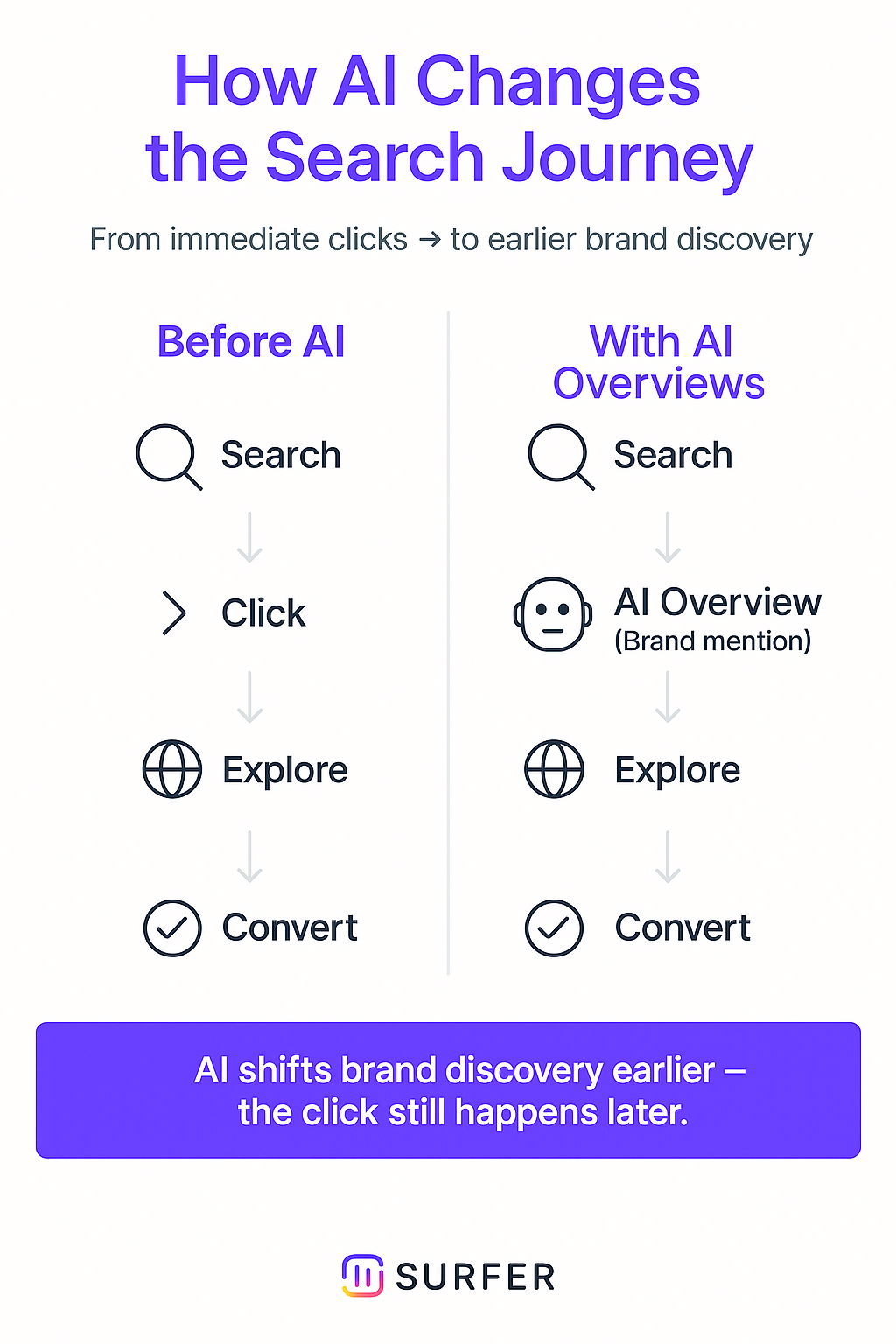
The findings were considerable: organic CTR on queries with AI Overviews dropped from 1.76% to 0.61%, a 61% decline. Even on queries without AI Overviews, natural CTR fell 41% year-over-year. For business organisations ranking for thousands of high-volume keywords, these portion drops translate into substantial lost traffic and earnings. A website creating 500,000 monthly organic visits might see a decrease of 200,000 or more sees just from the CTR compression triggered by AI Overviews.
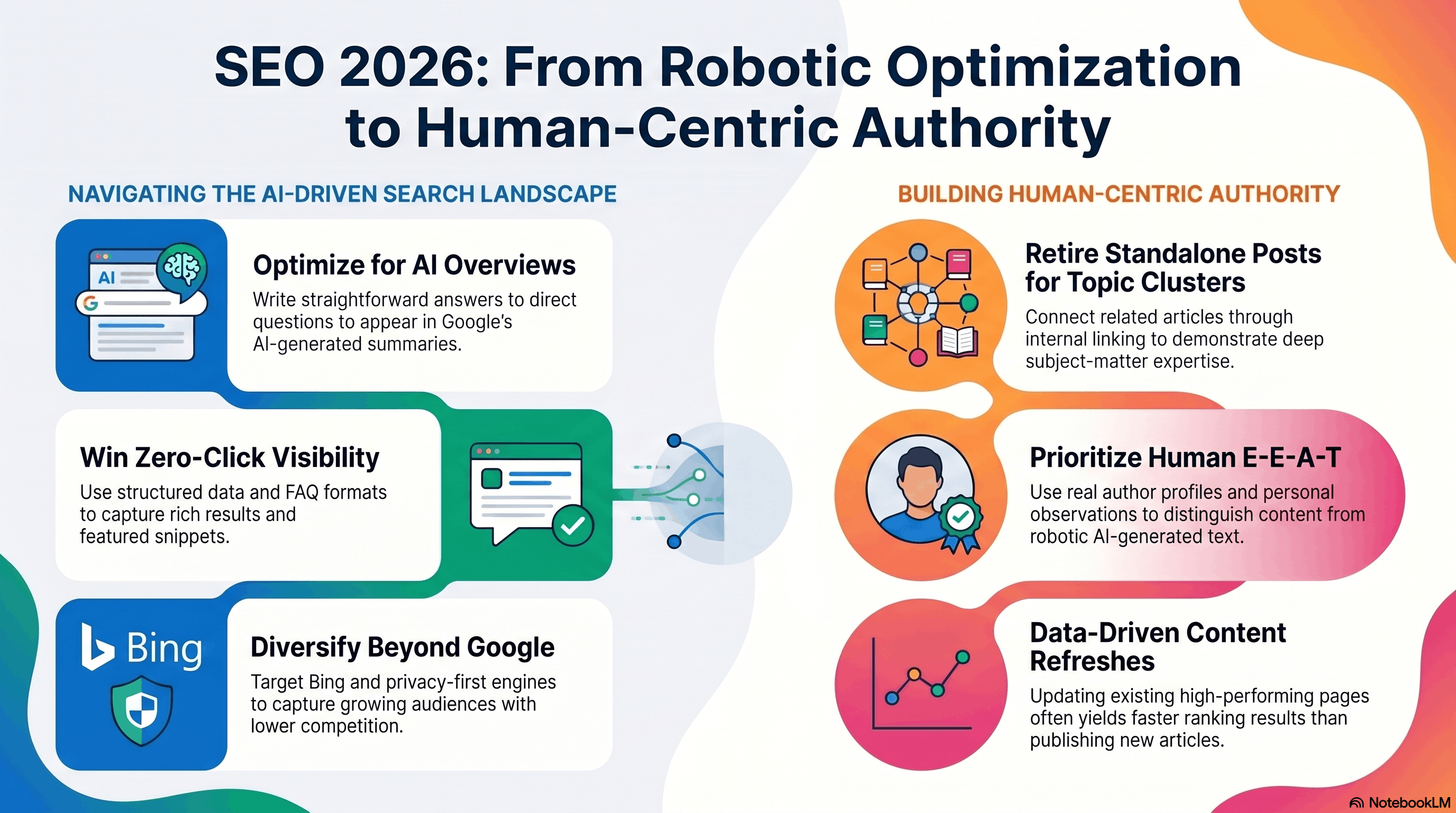
This makes AI search optimisation a concern for business organisations that want to safeguard their natural income streams. AI Introductions have compressed natural CTR, making AI citation method essential for business SEO programs. Browse behaviour has moved from single-destination Google searches to multi-platform conversations. ChatGPT now has over 800 million weekly active users, and platforms like Perplexity processed 780 million inquiries in May 2025 alone.
How Enterprise Backlink Analysis Scales Organic Visibility
For organisations in B2B, SaaS, expert services, and other high-consideration categories, this indicates your content needs to carry out all at once throughout: GoogleGoogle AI OverviewsChatGPTPerplexityGeminiCopilotThis is what we call AI SEO, and it needs a fundamentally various technique to content structure, schema markup and authority building. Every month that an enterprise organisation delays adjusting its SEO technique, competitors are developing the content authority and technical structures that AI systems prefer to mention.
An effective enterprise SEO programme in 2026 needs coordinated execution throughout six core locations. Technical SEO forms the foundation that whatever else develops on.
These platforms are frequently dated in both style and codebase, with all technical and code changes needing to go through an internal advancement team. These groups are regularly overworked and managing competing priorities across business, which indicates SEO-related repairs can sit in development queues for months. The outcome is substantial technical debt that accumulates gradually and becomes progressively tough and expensive to resolve.
A comprehensive technical audit should be the starting point for any enterprise SEO program, but groups must plan for longer application timelines than they would on a standard website. We cover the technical audit procedure in information in our guide to how AI search works. Material is where enterprise SEO generates its compounding returns.