Comparing Competitor Backlink Profiles for Expert ROI
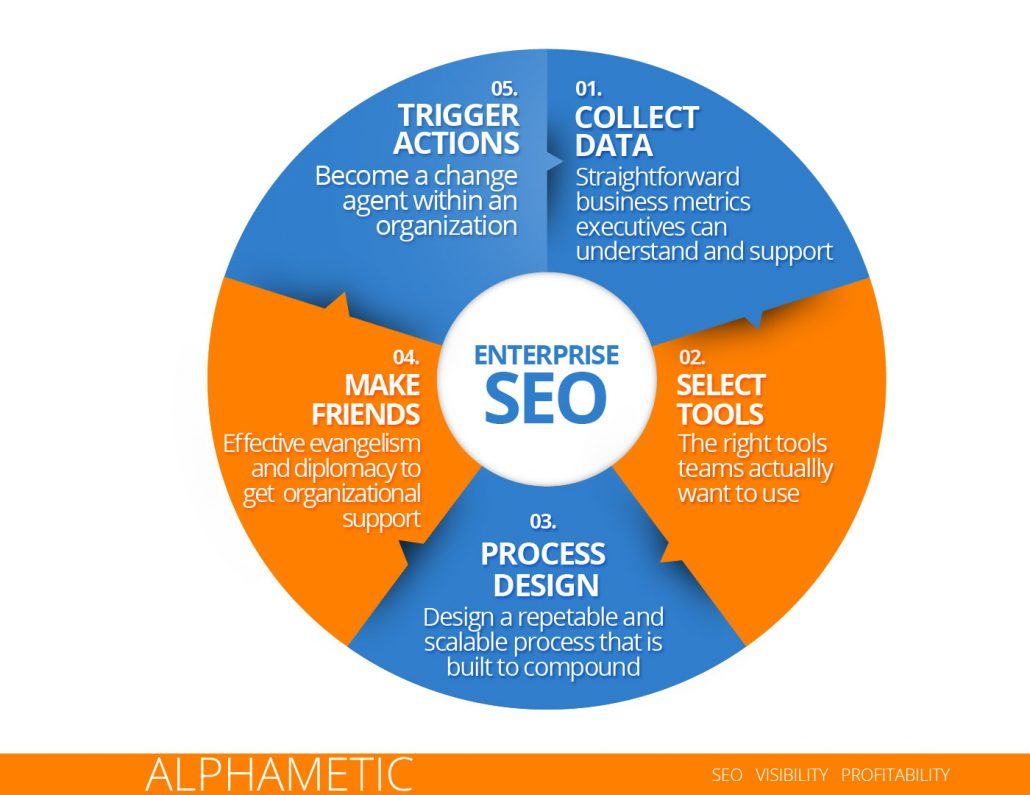
The ones that acknowledge it as a structurally various discipline develop programs that compound in time. We've distilled the enterprise SEO challenge into 5 structural problems that show up in almost every large-scale engagement. These aren't edge cases. They're the defining qualities of enterprise-scale natural programs. Every site has a finite crawl budget plan: the variety of pages search engines will crawl in an offered duration.
For a site with thousands or 10s of thousands of pages, it turns into one of the most important SEO variables. Enterprise sites regularly waste crawl budget on pages that deliver no search worth: paginated archives, parameter-heavy URLs, staging environments that leaked into the index, replicate material generated by faceted navigation.
Google's upgraded crawl budget best practices reinforce the point for big websites: mobile versions need to carry the very same link structure as desktop, due to the fact that missing out on mobile links sluggish page discovery on sites with more than 10,000 pages. The compounding result is what makes this an enterprise problem. An enterprise website with hundreds of lost crawl paths sees lessening returns on every brand-new page it releases.
import ready GSA SER projectsArchitecting the Multi-Tier SEO Structure for Growth
It needs ongoing crawl monitoring, proactive and noindex management, and architectural choices that avoid crawl waste from accumulating. At small scale, keyword cannibalization is incidental. 2 blog site posts mistakenly target the very same question, you combine them, and the problem is resolved.
When several service units, item groups, or area marketing managers publish content separately, they undoubtedly target overlapping keywords. A local marketing team produces a landing page for the very same keyword with a geographic modifier.
The result: Google sees 3 pages from the exact same domain competing for the exact same question. Rather of ranking one page highly, the website ranks none well. This isn't a content quality problem. It's a governance problem. Detection at scale needs a keyword governance system, not a one-time audit.
Teams require a shared keyword map showing which terms are owned by which pages, and a procedure for resolving conflicts before content goes live. Without that system, cannibalization reappears faster than any audit can capture it. Technical SEO financial obligation works like financial debt: percentages are workable, but they intensify.
Reviewing Top Backlink Strategies for Strategic ROI
A redirect chain gets extended. A canonical tag indicate the incorrect URL. A JavaScript modification breaks server-side rendering for a section of the site. A new function ships with unoptimized Core Web Vitals performance. At little scale, these concerns are easy to find and repair. At enterprise scale, they collect across numerous releases until the technical structure degrades meaningfully.
We routinely discover enterprise websites bring 12-18 months of unaddressed technical financial obligation when we start an engagement. Each specific problem is small. In aggregate, they drag down the whole domain's crawling efficiency, indexation accuracy, and ranking capacity. The service is. Enterprise sites need organized technical SEO reviews connected to release cycles, not quarterly check-ins.
When issues are found, they require to contend for advancement resources versus function work. Every JavaScript structure upgrade, every brand-new client-side making pattern, presents prospective indexation issues that intensify over time.
import ready GSA SER projectsDesigning a Advanced SEO Framework for Growth
An extensive audit of a large website produces hundreds of recommendations. It's deciding what to repair initially when development resources are minimal and shared across groups. This is where business SEO becomes a cross-functional discipline.
Material has a publishing schedule. Getting SEO work into the advancement line needs a structure that translates SEO findings into organization impact terms that engineering and product management understand. Each SEO suggestion gets scored on approximated traffic effect (based on search volume, existing ranking position, and forecasted enhancement) versus application effort (designer hours, QA requirements, deployment danger).
Without governance, enterprise SEO programs produce insights that never ever get carried out. The audit reports pile up. The recommendations being in a spreadsheet. And the organic program stalls since the gap in between recognition and execution never closes. Website architecture choices made early in a company's growth create the structural structure for every single SEO result that follows.
Search Marketing Growth Forecasts for Master in 2026
A subdirectory technique consolidates authority but needs more sophisticated internal linking to disperse it successfully. A subdomain technique isolates brand names however fragments authority. Different domains make the most of brand name self-reliance however sacrifice every cross-domain SEO advantage. The best response depends on the organization design, the competitive landscape, and the long-lasting growth strategy.
Business sites require structured information that accurately shows their entity relationships: parent organization to subsidiary, company to location, product to category.

Comprehending the difficulties is required. Acting on them systematically is what separates efficient enterprise SEO programs from pricey audits that sit on a shelf. Here's what a structured enterprise SEO engagement looks like in practice. The first month is diagnostic. Before making any modifications, you need an accurate picture of the existing state.
Which groups release to the domain? Where does SEO sit in the decision-making hierarchy? It's a scored, focused on backlog with impact estimates that the team can act on right away.
Carry out the fast wins identified in the audit: fixing critical technical problems, resolving apparent cannibalization, recovering wasted crawl spending plan through noindex and updates. These produce quantifiable motion and develop reliability with stakeholders who require to see early results.
Strategic Multi-Tier Search Approaches to 2026 Growth
By Month 3, the foundation is set. The group has a prioritized backlog, a governance structure, and early wins that show the program's worth. Now the structural work starts: architecture improvements, content debt consolidation, internal connecting method at scale, and the continuous technical monitoring that avoids new debt from accumulating. This is also when the reporting cadence strengthens, utilizing the metrics framework covered in the next area.
It's the governance layer. Requirement SEO can move quick due to the fact that one group manages the whole domain. Enterprise SEO moves deliberately since every change touches several stakeholders, and the prioritization framework is what keeps the program from stalling. Enterprise SEO reporting looks various from basic SEO reporting because it serves 2 audiences with different tasks.