Constructing Elite Tiered Backlink Structures

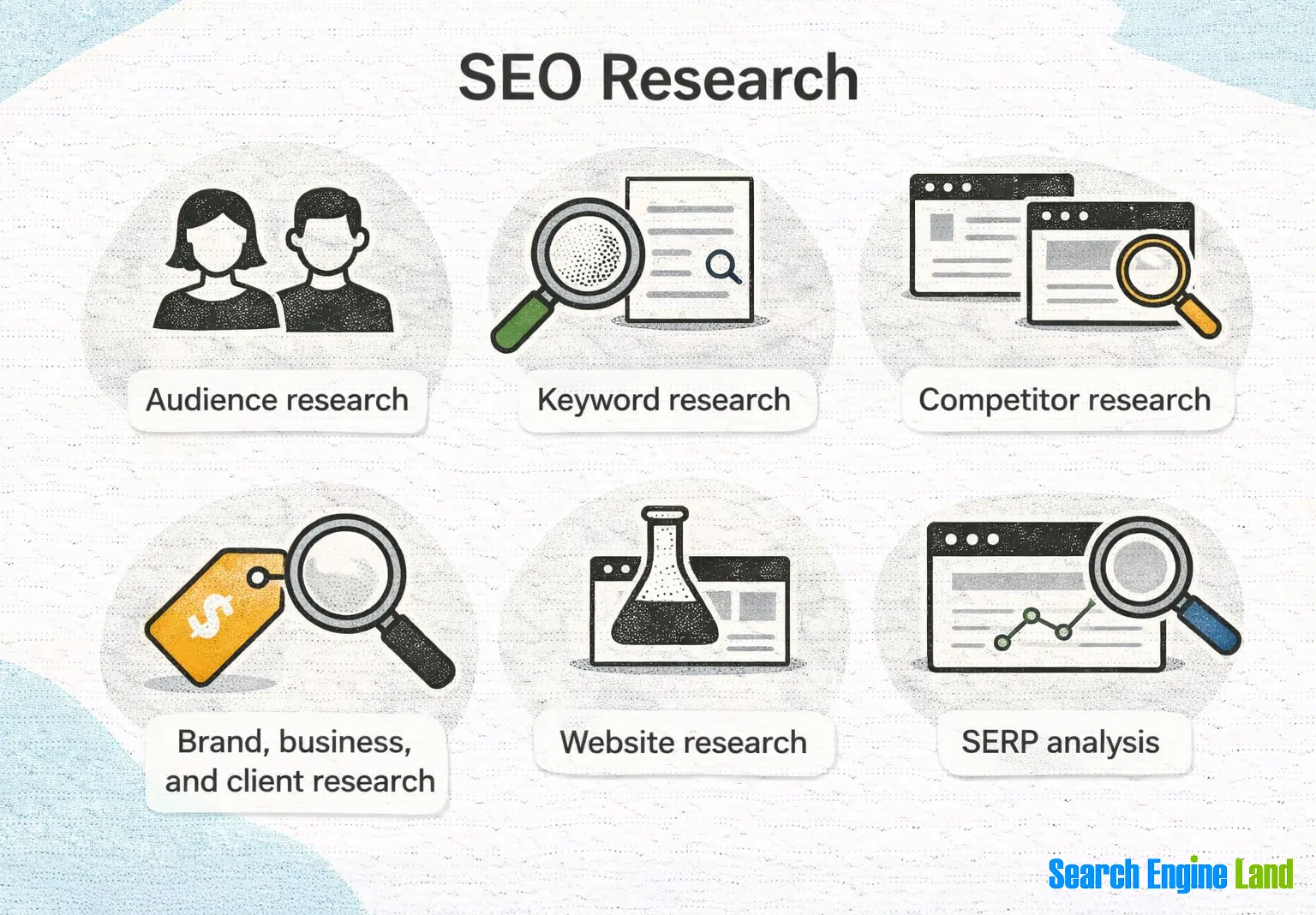
Here's a three-step process to discover and utilize rival backlinks. A strong backlink strategy begins with knowing who your customer is truly contending versus in search outcomes. These aren't always their direct competitorsthey're the sites ranking for the exact same target keywords. Here's a tactical technique to revealing this valuable details.
This will reveal your client's true SEO competitors (not simply the ones on their immediate radar). Carry out a Google look for a primary keyword and note the leading ten ranking domains. If specific websites appear frequently throughout different keyword variations, note them as essential SEO competitors. Look for niche-specific directory sites, blogs, or resource pages utilizing search queries like" [industry] best blog sites" or "top [market] directories." Use Ahrefs or Semrush to discover which sites link to several rivals.
Once you've determined SEO rivals, the next action is to examine where they're getting backlinks from. To do this, look at:: These are sites that connect to multiple rivals but not to your customer.

Future-Proofing Digital Marketing Success Via Tiered SEO
This term refers to backlinks that just one or extremely few rivals have. They're typically earned through distinct content, collaborations, or niche outreach efforts. Most often, these sites will also have high Domain Authority (DA) or Trust Flow (TF), which carry substantial weight in search rankings. By evaluating backlink types, you'll identify simple wins, discover rival techniques, and refine outreach to focus on the most valuable opportunities.
Some provide a significant increase in rankings, while others are beneficial for diversity (but carry less weight). To take advantage of your customer's outreach efforts, classify competitor backlinks into tiers based on their SEO effect. Usually speaking: The higher the tier, the greater the authority, significance, and ranking impact of the backlink.
Mid-tier backlinks that add trustworthiness and reinforce your customer's backlink profile. Lower-value links that provide variety however should not be a primary focus. For included context, let's dive into the specifics of how to leverage these backlink tiers for ideal outcomes. These are important backlinks from high-DA websites pertinent to your client's specific niche or industry.
Constructing Robust Tiered Backlink Frameworks
Guest posts on high-traffic, relevant market blog sites. Obtaining even among these can make the world of a distinction. Keep in mind: A few high-authority, appropriate backlinks are more valuable than lots of low-quality ones. In some cases, it can take just one site to tip the balance of the scales and make Google sit up and focus.
Andy Robson, Agency Director, Tier 2 backlinks come from moderate-DA, reliable websites that are still contextually pertinent to your client's market. They provide important link diversity and assistance primary Tier 1 efforts. These links reinforce your customer's general link profile, improving significance and trust without the extreme competition of Tier 1 sources.
GSA SER tiered projectsMentions in niche directories or resource pages that might not have the highest authority however pertain to your client's content. Visitor contributions on up-and-coming market blogs. While Tier 2 backlinks may be easier to get than Tier 1, they still require thoughtful outreach and relationship-building to be truly efficient.
How Advanced SEO Architectures Propel ROI in 2026
Focus on quality over amount, both in terms of links and the output to get those. Andy Robson, Agency Director, Squidgy Tier 3 backlinks are from low-DA sites that may not straight relate to your customer's market but still contribute to overall link volume.
Diversity in backlinks is essential. Value brings employing ranking keywords. Extremely ranking keywords bring traffic.
When using Tier 3 backlinks, focus on reliable sources and steer clear of low-quality sites that could injure SEO rather than help it. Finding competitor backlinks is simply the very first step. The genuine difficulty is staying up to date with competitors who are constantly building brand-new links. The solution? Conduct a competitor backlink gap analysisit's a continuous workout, not simply a one-time project.
GSA SER tiered projectsUsage tools like Ahrefs or Semrush to track the number of new backlinks rivals acquire each month. Examine competitors' link speed (i.e., how fast they're gaining backlinks for specific keywords) and set a practical goal to match or exceed their growth rate.