Designing the Advanced SEO Structure for Growth
The relationship in between business SEO and AI has actually moved beyond experimentation.

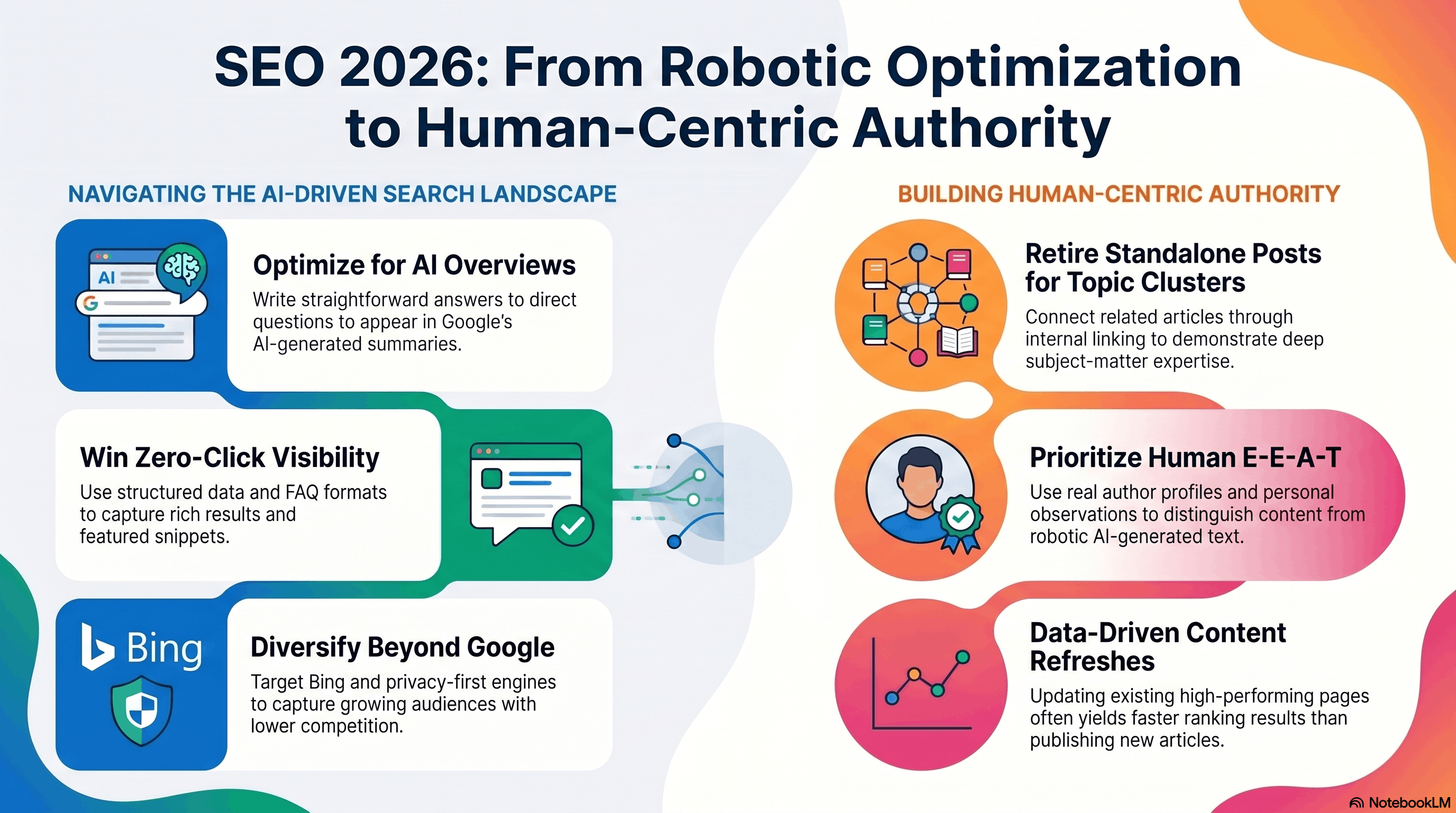
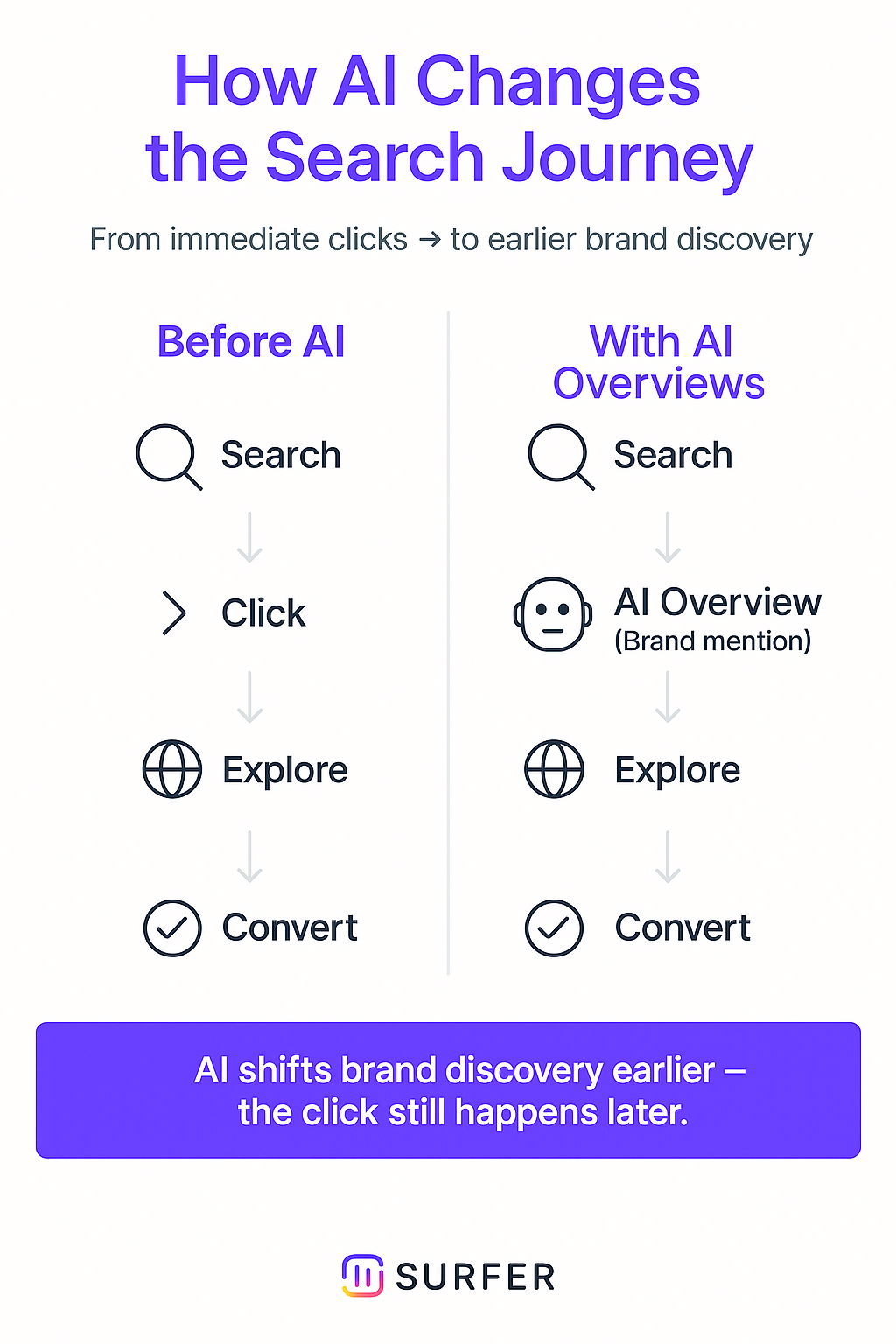
For business organisations, this means that ranking on page one of Google is no longer enough. Your content also needs to be structured, reliable and citation-worthy sufficient to be included in AI Overviews and AI platform actions. AI systems depend on the same technical signals that search engines use: Clean site architectureProper schema markupFast page loads and structured contentEnterprise sites with bad technical structures will struggle to acquire visibility in AI-generated results, no matter their content quality.
The technical foundation identifies whether AI systems can access, understand and cite your material. AI systems reward content that demonstrates genuine proficiency, supplies factual precision and offers distinct insights. Business organisations that count on high-volume, low-grade content production will see decreasing returns as AI systems progress at identifying and filtering generic material.
Business SEO is typically suitable for organisations managing websites with thousands to millions of pages, operating in competitive search landscapes and generating significant income from natural traffic. It is most common amongst organizations with yearly revenue in the multiple eight figures and greater, though the choosing factor is site complexity and business reliance on search presence rather than business size alone.
The expense depends upon website size, competitive landscape, geographical scope and whether content production is consisted of. A lot of enterprise organisations see favorable ROI within 6 to 12 months, with peak returns in the 2nd and 3rd year of a program. Many enterprise SEO programs start showing measurable enhancements in rankings and traffic within 3 to 6 months.
Search Marketing Evolution Forecasts to Master in 2026
Outcomes intensify with time, making enterprise SEO one of the highest-ROI marketing channels over a 2 to 3-year horizon. The main distinctions are scale, organisational intricacy and industrial effect. Business SEO involves optimising thousands of pages across complex site architectures, collaborating multiple stakeholders and departments, handling global markets and attributing SEO efficiency straight to earnings outcomes.
Yes, and in 2026, they should be treated as complementary rather than different disciplines. Strong traditional SEO supplies the technical foundation and content quality that AI systems require to cite your brand name. AI search optimisation then extends that visibility into Google AI Overviews, ChatGPT, Perplexity and other AI platforms. Organisations that purchase both see intensifying returns as authority integrated in one channel reinforces exposure in others.
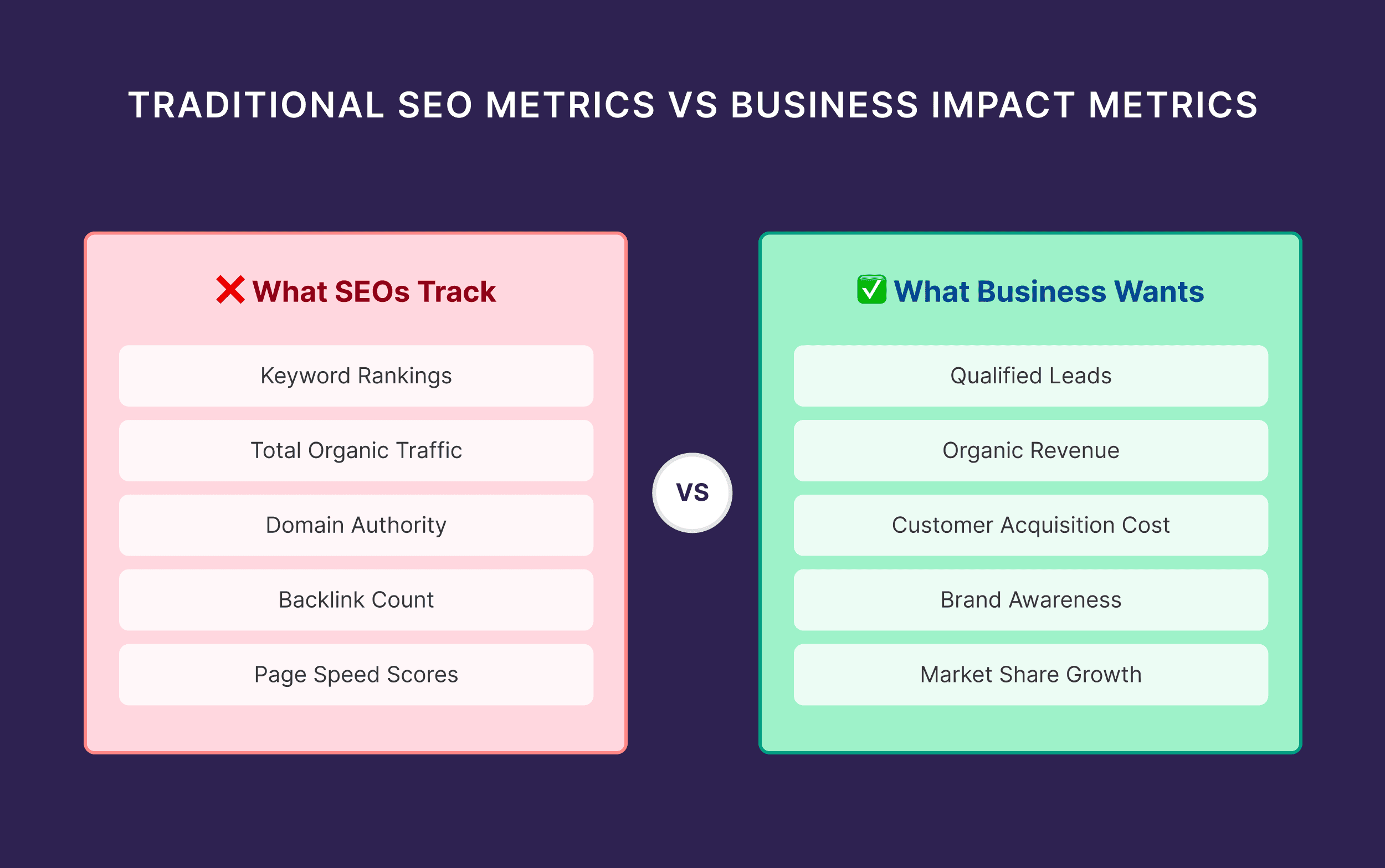
The most essential shift in 2026 is adding AI exposure metrics alongside standard search performance data. For organisations with significant income dependency on natural traffic, business SEO delivers a few of the strongest returns of any marketing channel. Our B2B AI SEO case study programs that a home management contracting out company has attributed about $8.7 M in income from organic search and AI LLMs over 27 months and counting, with the 17-month climb window at a 6,864% average SEO ROI.
buy GSA SER projectEnterprise SEO in 2026 needs more than optimising title tags and publishing blog site posts. It requires tactical coordination across technical infrastructure, material production, AI platform presence and profits attribution, all performed at scale with clear governance and commercial accountability. Most companies that need enterprise SEO don't realize they need it till their natural program has already plateaued.
Business SEO is the discipline that chooses up where basic SEO leaves off. Here's what enterprise SEO is not: it's not SEO for business with large earnings.
And it's not defined by which platform you use to handle it. Business SEO is defined by. When a site spans several organization units, item lines, geographical areas, or place portfolios, the SEO difficulties shift from tactical to architectural. Crawl spending plan management, keyword governance across groups, technical debt that substances with every deployment, cross-functional prioritization of SEO work: these are issues that don't exist at small scale.