Does An Advanced SEO Strategy Succeed in 2026?

The term "enterprise SEO" gets utilized loosely, so it is worth defining appropriately before we go further. Enterprise SEO describes browse engine optimisation methods created for large-scale sites with complex architectures, multiple stakeholders and considerable revenue dependence on organic traffic. It utilizes many of the exact same techniques as conventional SEO, but applies them at a scale that requires automation, governance and cross-functional positioning.
Enterprise websites typically manage thousands, 10s of thousands, numerous thousands or perhaps millions of pages across numerous line of product, service categories and geographical markets. At this scale, manual optimisation is not viable. You need systematic processes, templates and automation to guarantee SEO standards are used consistently throughout the whole website.
On a 50-page website, you can manually prepare and implement internal links in an afternoon. On a 10,000-page business website, you require automated systems and clear governance frameworks to maintain link architecture without producing cannibalisation or orphaned pages. Unlike smaller businesses, where a couple of individuals might own the entire SEO program, business SEO needs positioning throughout several groups, consisting of: DevelopmentContentMarketingLegalProductRegional teams (in some cases)Decisions about the following locations involve multiple stakeholders, each with their own priorities and timelines: URL structuresContent publishingTechnical changesBrand messagingThis is where most enterprise SEO programmes stall.
GSA SER project filesThe challenge is browsing multi-layered approval processes where recommendations require sign-off from numerous levels of management before execution can start. Getting work approved and into a development sprint can take considerably longer than it would at a smaller sized, more agile organisation, and this hold-up substances when several SEO initiatives are queued concurrently.
While these structures exist for excellent reason, they add time to execution, particularly for material creation where legal review, brand compliance and editorial sign-off might all be needed before a single page can be released. A strong AI SEO strategy addresses this by developing governance frameworks that represent these truths and keep execution on track in spite of organisational complexity.
Designing a Multi-Tier SEO Framework for Growth
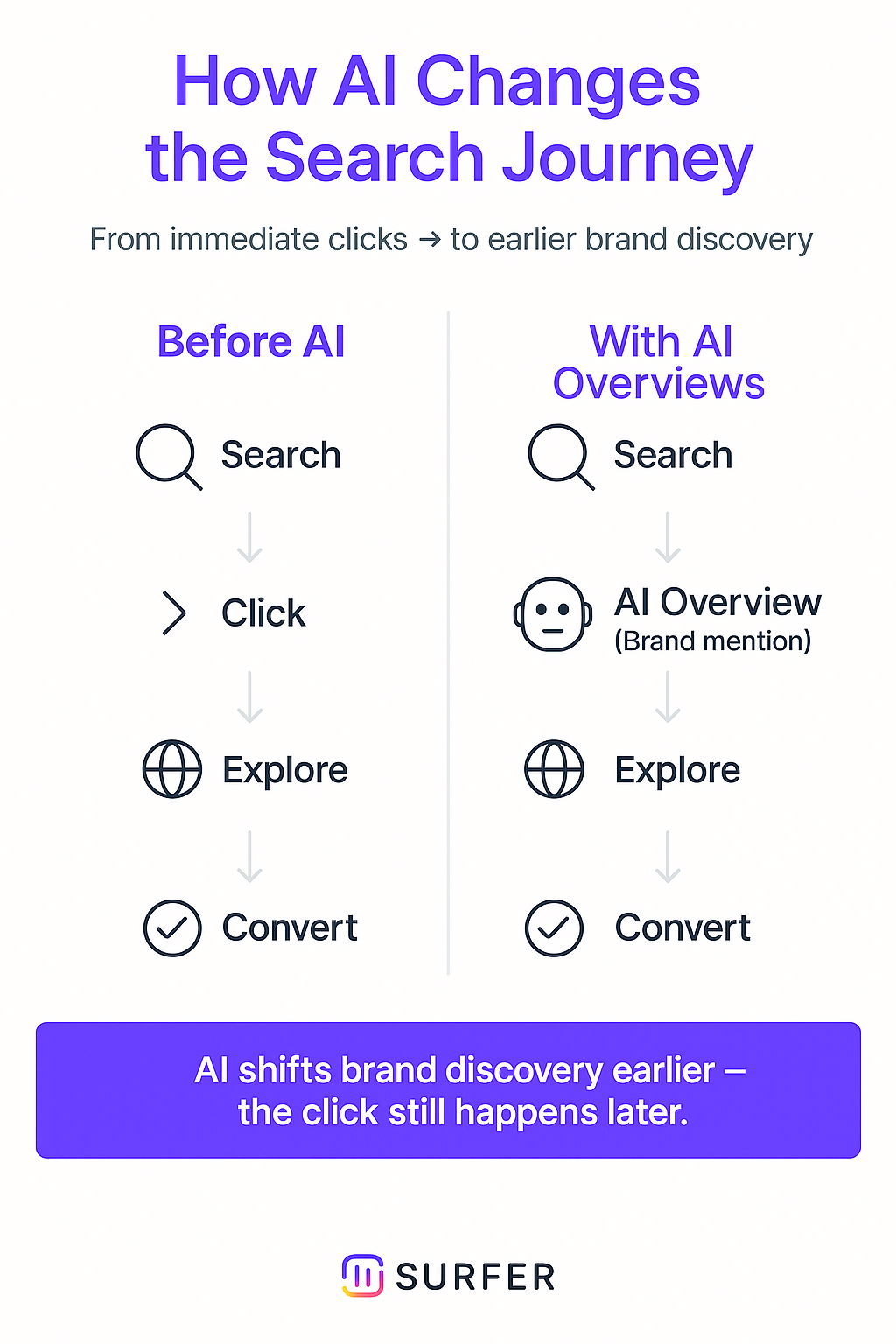
Enterprise organisations require to connect SEO efficiency directly to: RevenuePipeline generationCustomer acquisition costsThis requires appropriate attribution models, CRM integration and reporting structures that tie natural search activity to industrial outcomes. The search landscape has actually basically shifted given that Google released AI Overviews in mid-2024. For business organisations, these changes carry outsized effects since of the volume of traffic at stake.
For business organisations ranking for thousands of high-volume keywords, these portion drops equate into substantial lost traffic and profits. A website creating 500,000 regular monthly organic sees could see a reduction of 200,000 or more check outs just from the CTR compression caused by AI Overviews.
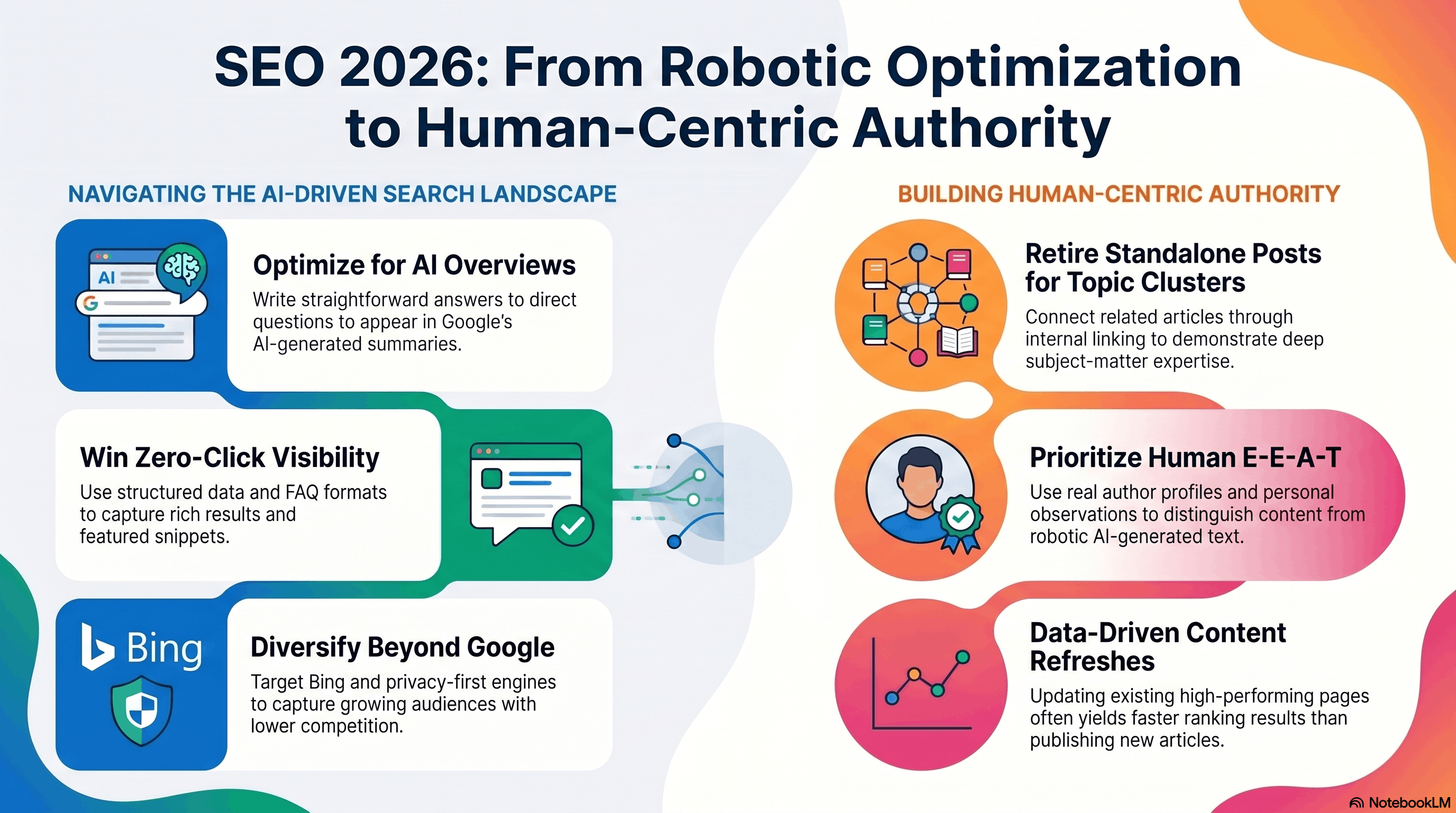
This makes AI search optimisation a priority for business organisations that wish to protect their natural revenue streams. AI Summaries have compressed natural CTR, making AI citation technique vital for business SEO programs. Search behaviour has actually moved from single-destination Google searches to multi-platform conversations. ChatGPT now has over 800 million weekly active users, and platforms like Perplexity processed 780 million inquiries in May 2025 alone.

Advanced Multi-Tier SEO Frameworks for 2026 Growth
For organisations in B2B, SaaS, expert services, and other high-consideration categories, this implies your material needs to perform concurrently across: GoogleGoogle AI OverviewsChatGPTPerplexityGeminiCopilotThis is what we call AI SEO, and it requires an essentially different technique to content structure, schema markup and authority building. Monthly that a business organisation delays adapting its SEO strategy, competitors are constructing the material authority and technical foundations that AI systems prefer to mention.
An effective business SEO program in 2026 requires coordinated execution throughout 6 core locations. Here is what each includes and why it matters at enterprise scale. Technical SEO forms the structure that everything else develops on. Without clean technical infrastructure, even the best content technique will underperform due to the fact that search engines and AI crawlers can not correctly access, comprehend and index your pages.
These platforms are often dated in both style and codebase, with all technical and code changes requiring to go through an internal advancement team. These groups are regularly overworked and handling contending top priorities throughout the company, which means SEO-related fixes can being in development lines for months. The result is substantial technical financial obligation that collects gradually and ends up being significantly difficult and costly to resolve.
An extensive technical audit needs to be the starting point for any enterprise SEO programme, however groups should prepare for longer implementation timelines than they would on a basic website. We cover the technical audit process in detail in our guide to how AI search works. Content is where enterprise SEO creates its compounding returns.