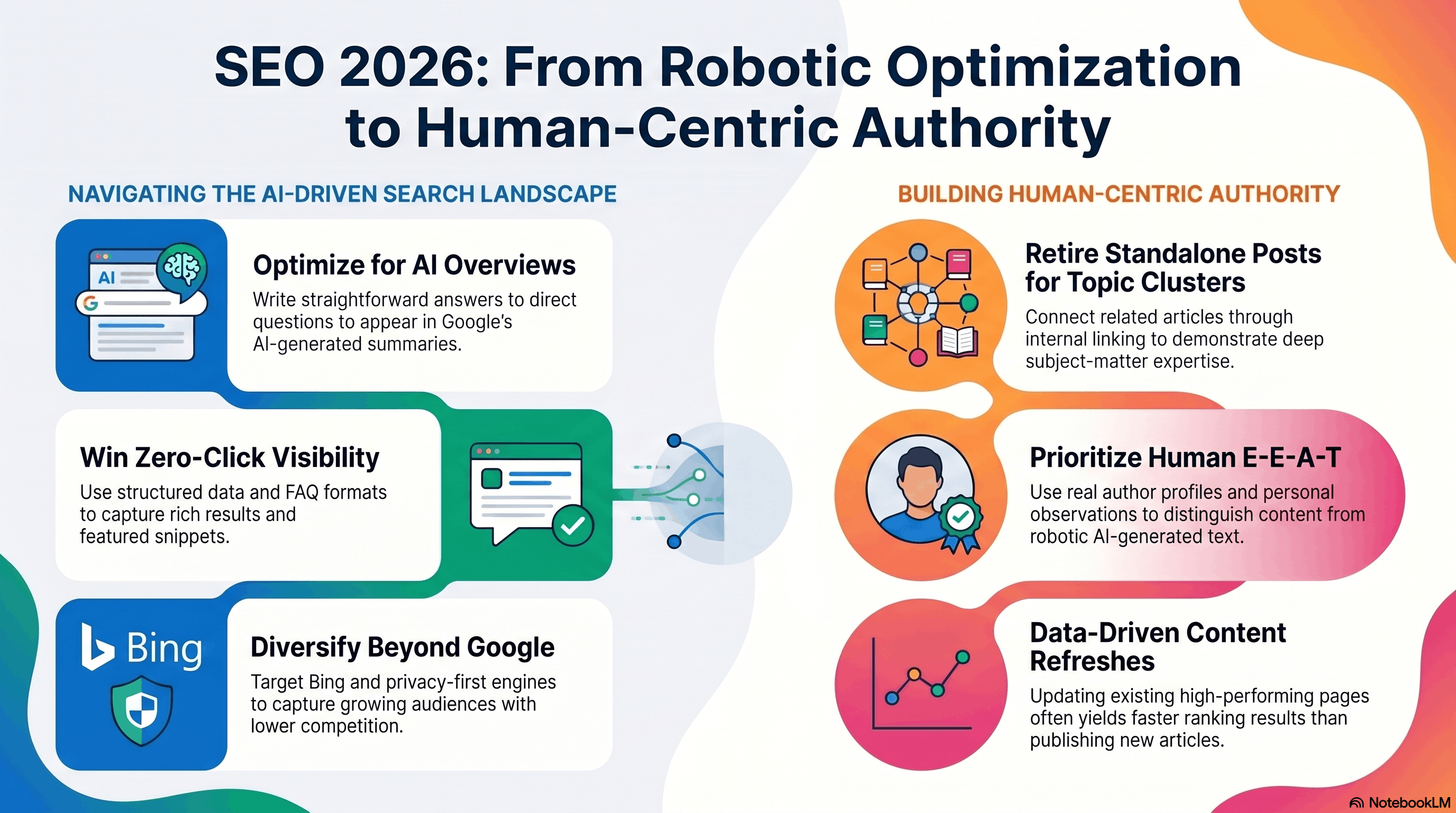
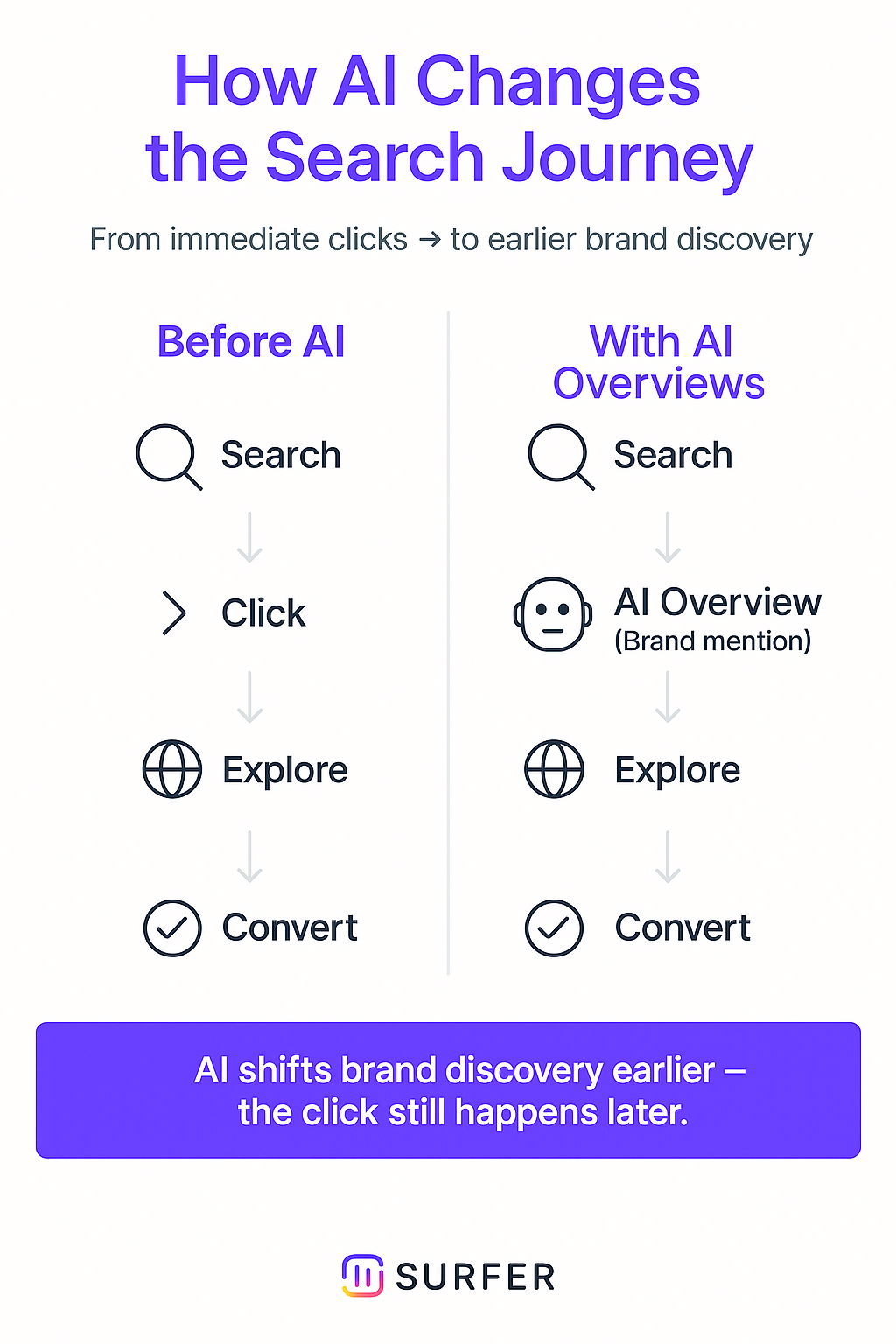
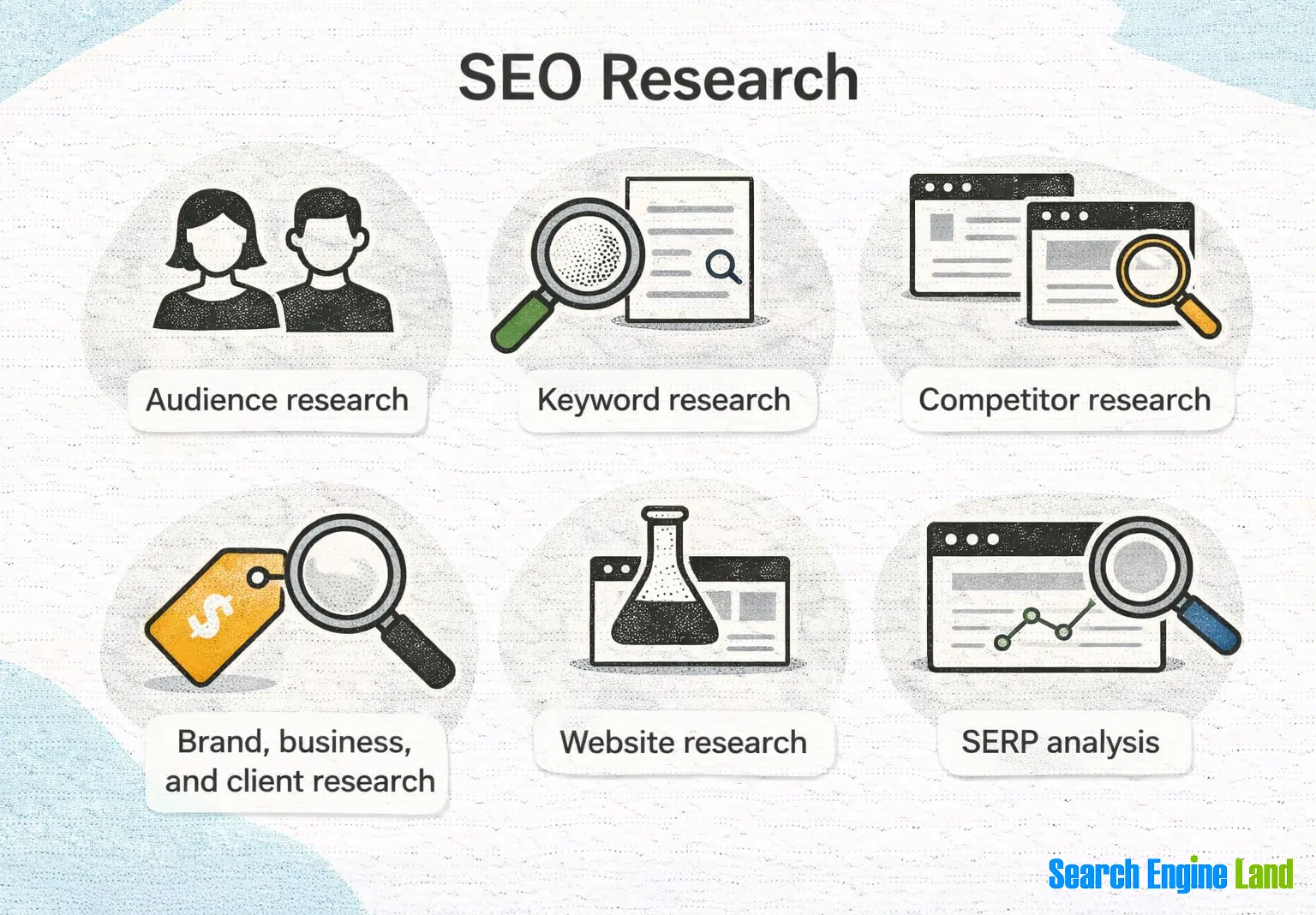
Strategic Corporate SEO Frameworks for 2026
Ensure that your site's material is structured in a way that makes it simple for voice search to extract quick answers (believe FAQs, concise actions). Use schema markup and structured data to make your material most likely to be pulled in voice-based searches. Voice search is changing how people find info online.
Fixed content is losing ground not since it's bad, however due to the fact that customers desire much faster paths to understanding. The next stage of digital experience is highly visual, interactive, and friction-free. What's changing in 2026 Short-form video continues its dominance, and now we're seeing: More AR try-on and try-before-you-buy experiences Light-weight VR or mixed-reality demos Real-time video Q&A and shoppable streams Micro-learning videos replacing long explainer pages At WSI, we have actually seen video-first techniques outshine text-only techniques by substantial margins.
Why it matters Customers trust what they can see, experience, and "test drive" digitally. Video and AR accelerate decision-making particularly for B2C, way of life, and higher-consideration e-commerce. Interactive content produces richer behavioral data (what viewers clicked, hovered on, replayed, etc). What you must do (WSI guidance included) 1. Develop a repeatable video engine: the objective is consistency, not perfection.
Test one immersive component. Not every brand name requires full VR, but lots of can benefit from: AR item demos 360 views Interactive landing pages 3. Step much deeper engagement metrics. See time > views Interactions > impressions Conversions > clicks Influencer marketing is progressing again away from pure reach and toward real knowledge, niche neighborhoods, and long-lasting co-creation.
Scaling Digital Marketing Growth Through Advanced SEO Systems
Brands are partnering with developers as partners, not just broadcasters. Creators are included earlier in the storytelling process even in item advancement. At WSI, we have actually seen niche creators surpass big influencers. A small developer with 12,000 followers drove more earnings for a hospitality client than a celebrity-style partner with 300,000.
Why it matters Buyers rely on people who feel real not excessively refined brand voices. Creator collaborations produce material at a scale lots of internal groups can't match.
As the need for customized experiences grows, online marketers are turning to interactive tools to better capture and maintain their audience's attention. Why it matters Interactive content fosters much deeper engagement by actively including users, making the experience more remarkable and shareable. It also offers important insights into client preferences, which can assist further material development and marketing decisions.
Track engagement and actions to these tools to gather insights into client preferences. Test interactive material for particular phases in the purchaser's journeyfrom list building to item choice. Structure trust-based data designs isn't almost complianceit's about winning consumer commitment. Prioritize first-party information and ethical practices to boost conversions. What's altering in 2026 Social commerce is no longer a future trend it's already a growing sector.
Why it matters Social commerce permits smooth, in-app getting, decreasing friction in the purchasing procedure. It's an exceptional method to capture impulse buys and reach a younger, more mobile-first audience who prefer shopping straight on social platforms. What you should do Ensure your items are shoppable directly within social platforms.
Executing Competitor Backlink Analysis for Improve Results
Focus on structure shoppable content that is authentic and lined up with user-generated material to increase credibility. Track social commerce ROI with more granular measurement tools to constantly optimize your strategy. What's altering in 2026 As AR and VR innovations continue to advance, social networks platforms are integrating these immersive experiences more seamlessly into their interfaces.
At WSI, clients who began integrating AR into their social networks marketing campaigns reported greater engagement rates, particularly in the appeal, style, and furniture markets, with clients spending more time connecting with their products. Why it matters AR/VR enables brand names to deliver extremely interactive, memorable experiences that increase engagement, trust, and item adoption.
What you need to do Start little by incorporating AR filters or "try-on" features into your social media strategy, particularly on platforms like Instagram and Snapchat. Test VR-based brand activations, such as virtual display rooms or immersive brand name experiences, for deeper customer engagement. Step metrics like interaction time, product trial conclusion, and consumer sentiment to examine the effectiveness of your AR/VR projects.
Users desire to communicate with products in real-time, making immersive experiences the new requirement in engagement. What's changing in 2026 With AI combination, paid search platforms are now using dynamic bidding strategies that instantly adjust in real-time based on efficiency, audience, and other variables. This takes the guesswork out of budget allotment and maximizes advertisement spend efficiency.