Utilizing Competitor Insights for Optimal SEO Results

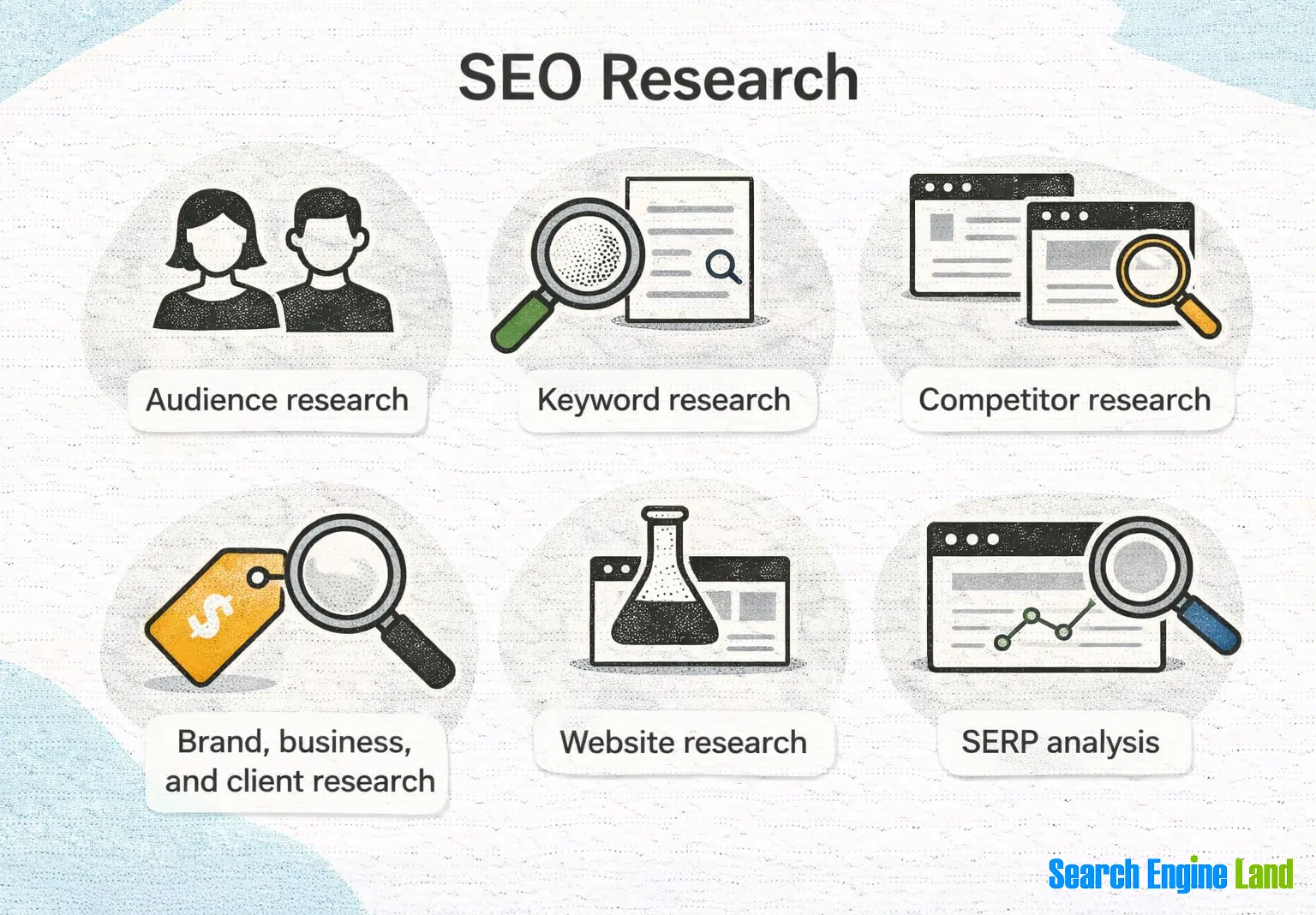
Here's a three-step process to reveal and take advantage of competitor backlinks. A strong backlink method starts with understanding who your customer is really competing versus in search outcomes.
This will expose your customer's real SEO rivals (not just the ones on their immediate radar). If particular sites appear regularly throughout various keyword variations, note them as key SEO rivals. Use Ahrefs or Semrush to discover which sites connect to several competitors.
This will assist your client complete and rank higher in search engine result. When you've determined SEO competitors, the next action is to examine where they're getting backlinks from. To do this, look at:: These are websites that link to several rivals but not to your customer. Because they already link to similar businesses, they're low-hanging fruit.
How Advanced Search Architectures Propel Growth in 2026
This term describes backlinks that just one or very few competitors have. They're often made through special content, collaborations, or niche outreach efforts. Frequently, these sites will also have high Domain Authority (DA) or Trust Flow (TF), which carry substantial weight in search rankings. By examining backlink types, you'll determine easy wins, discover rival methods, and improve outreach to focus on the most important opportunities.
Some offer a substantial increase in rankings, while others are useful for diversity (but bring less weight). To maximize your client's outreach efforts, classify competitor backlinks into tiers based on their SEO impact. Normally speaking: The higher the tier, the higher the authority, importance, and ranking impact of the backlink.
Mid-tier backlinks that add credibility and reinforce your customer's backlink profile. For added context, let's dive into the specifics of how to take advantage of these backlink tiers for optimum outcomes.
Why Enterprise Marketing Success Depends On Multi-Tier Architectures
Visitor posts on high-traffic, pertinent market blog sites. Obtaining even one of these can make the world of a difference. Remember: A few high-authority, pertinent backlinks are better than lots of low-grade ones. Sometimes, it can take just one website to tip the balance of the scales and make Google stay up and focus.

Andy Robson, Agency Director, Tier 2 backlinks come from moderate-DA, authoritative websites that are still contextually pertinent to your customer's industry. They provide important link diversity and support primary Tier 1 efforts. These links strengthen your client's general link profile, enhancing importance and trust without the extreme competition of Tier 1 sources.
GSA SER project articles and emailsReferences in specific niche directories or resource pages that might not have the greatest authority however relate to your client's material. Guest contributions on up-and-coming market blogs. While Tier 2 backlinks may be easier to acquire than Tier 1, they still require thoughtful outreach and relationship-building to be truly effective.
Scaling B2B Backlink Acquisition Tactics
Concentrate on quality over amount, both in terms of links and the output to get those. Publishers see thousands of demands a week. You require to stand out. A rushed email or message will either be ignored or overlooked. Andy Robson, Company Director, Squidgy Tier 3 backlinks are from low-DA websites that may not directly connect to your customer's market but still contribute to general link volume.
They're best used in combination with Tier 1 and Tier 2 links. Variety in backlinks is very important. A well balanced mix of follow and no-follow linksin addition to paid and organic linksis a smart practice! Backlinks develop worth. Worth brings employing ranking keywords. Highly ranking keywords bring traffic. Christopher Bailey, Website Style and SEO, More specifically, this tier consists of: Links from generic directories, blog comments, or social bookmarking websites (such as Yelp and Yellow Pages).
When using Tier 3 backlinks, focus on respectable sources and avoid low-grade sites that might hurt SEO instead of assist it. Finding rival backlinks is simply the primary step. The genuine challenge is keeping up with competitors who are constantly developing new links. The solution? Conduct a competitor backlink gap analysisit's a continuous workout, not just a one-time job.
GSA SER project articles and emailsUsage tools like Ahrefs or Semrush to track the number of new backlinks rivals gain monthly. Recognize trends and spikes in link acquisition. Evaluate competitors' link velocity (i.e., how fast they're getting backlinks for particular keywords) and set a practical goal to match or surpass their development rate. Concentrate on getting Tier 1 and Tier 2 backlinks from authoritative sources instead of going after big numbers of low-quality links.