Why Advanced SEO Scales Enterprise Growth for 2026
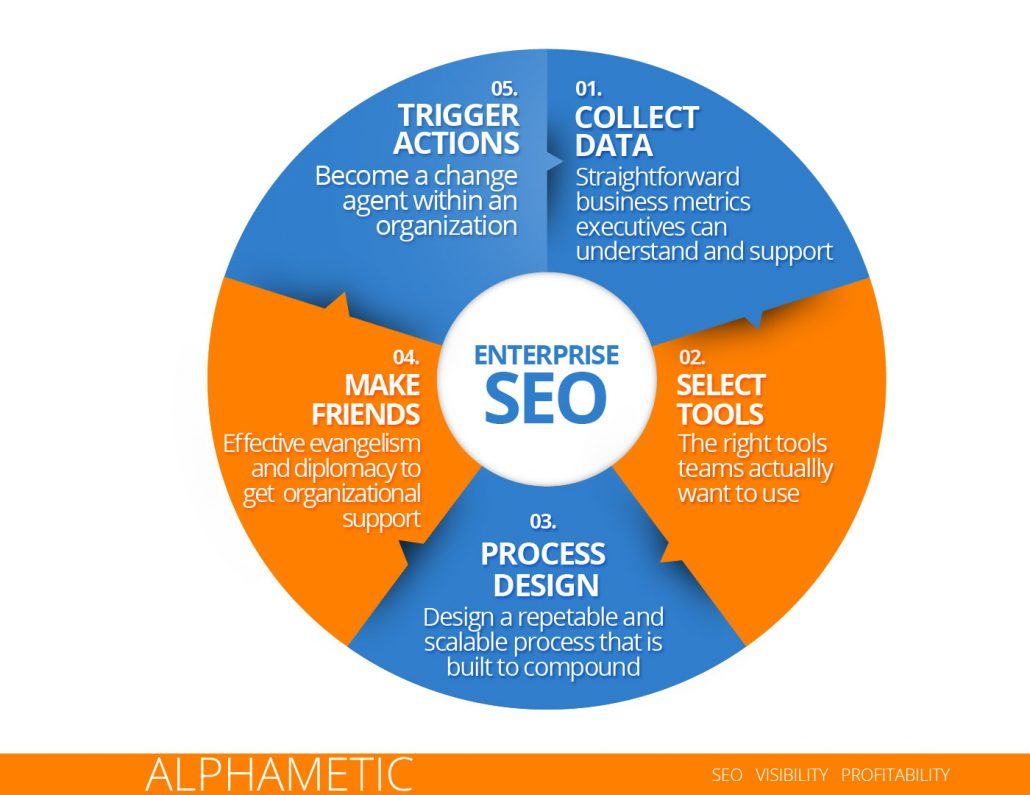
The term "enterprise SEO" gets used loosely, so it deserves specifying correctly before we go further. Business SEO describes online search engine optimisation strategies designed for large-scale websites with complicated architectures, multiple stakeholders and substantial earnings dependency on natural traffic. It uses a number of the very same methods as traditional SEO, but applies them at a scale that demands automation, governance and cross-functional positioning.
Business websites often manage thousands, 10s of thousands, numerous thousands or even countless pages across multiple item lines, service classifications and geographical markets. At this scale, manual optimisation is not practical. You need organized procedures, design templates and automation to make sure SEO requirements are used regularly across the entire site.
On a 50-page website, you can by hand prepare and implement internal links in an afternoon. On a 10,000-page enterprise website, you need automated systems and clear governance frameworks to maintain link architecture without developing cannibalisation or orphaned pages. Unlike smaller services, where a couple of individuals might own the whole SEO program, business SEO requires positioning throughout multiple teams, including: DevelopmentContentMarketingLegalProductRegional groups (in many cases)Decisions about the following locations involve multiple stakeholders, each with their own concerns and timelines: URL structuresContent publishingTechnical changesBrand messagingThis is where a lot of business SEO programs stall.
The difficulty is navigating multi-layered approval procedures where recommendations require sign-off from a number of levels of management before implementation can begin. Getting work approved and into an advancement sprint can take significantly longer than it would at a smaller, more nimble organisation, and this delay substances when numerous SEO initiatives are queued at the same time.
While these structures exist for good factor, they add time to execution, particularly for content creation where legal evaluation, brand compliance and editorial sign-off may all be needed before a single page can be published. A strong AI SEO method addresses this by developing governance structures that represent these realities and keep execution on track in spite of organisational complexity.
How to Scale Enterprise Visibility Via Backlink Data
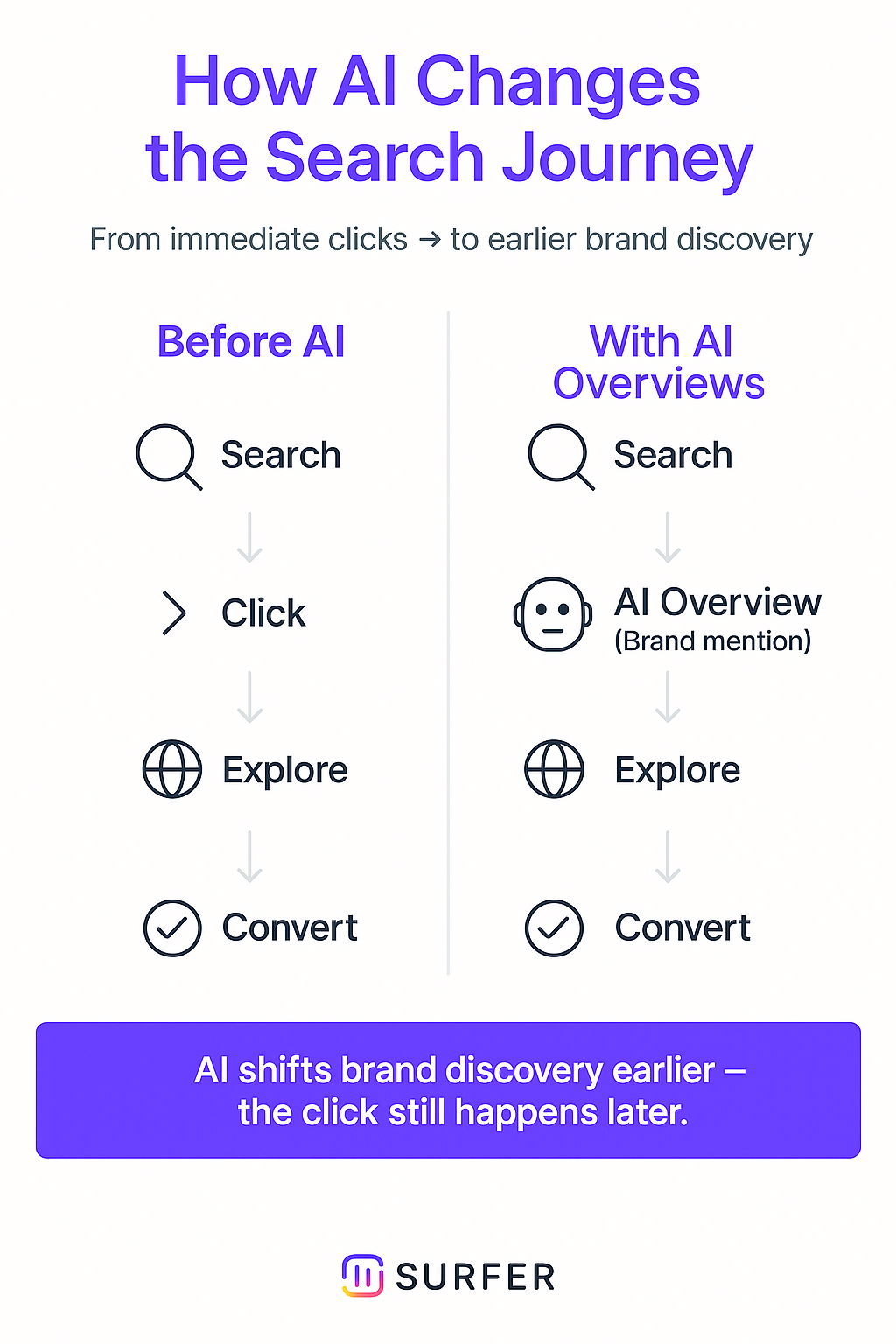
Enterprise organisations need to connect SEO efficiency directly to: RevenuePipeline generationCustomer acquisition costsThis needs proper attribution designs, CRM combination and reporting structures that tie organic search activity to industrial outcomes. The search landscape has basically shifted since Google launched AI Overviews in mid-2024. For enterprise organisations, these modifications carry outsized effects because of the volume of traffic at stake.
For business organisations ranking for thousands of high-volume keywords, these percentage drops translate into considerable lost traffic and income. A website generating 500,000 regular monthly organic visits might see a decrease of 200,000 or more gos to merely from the CTR compression caused by AI Overviews.
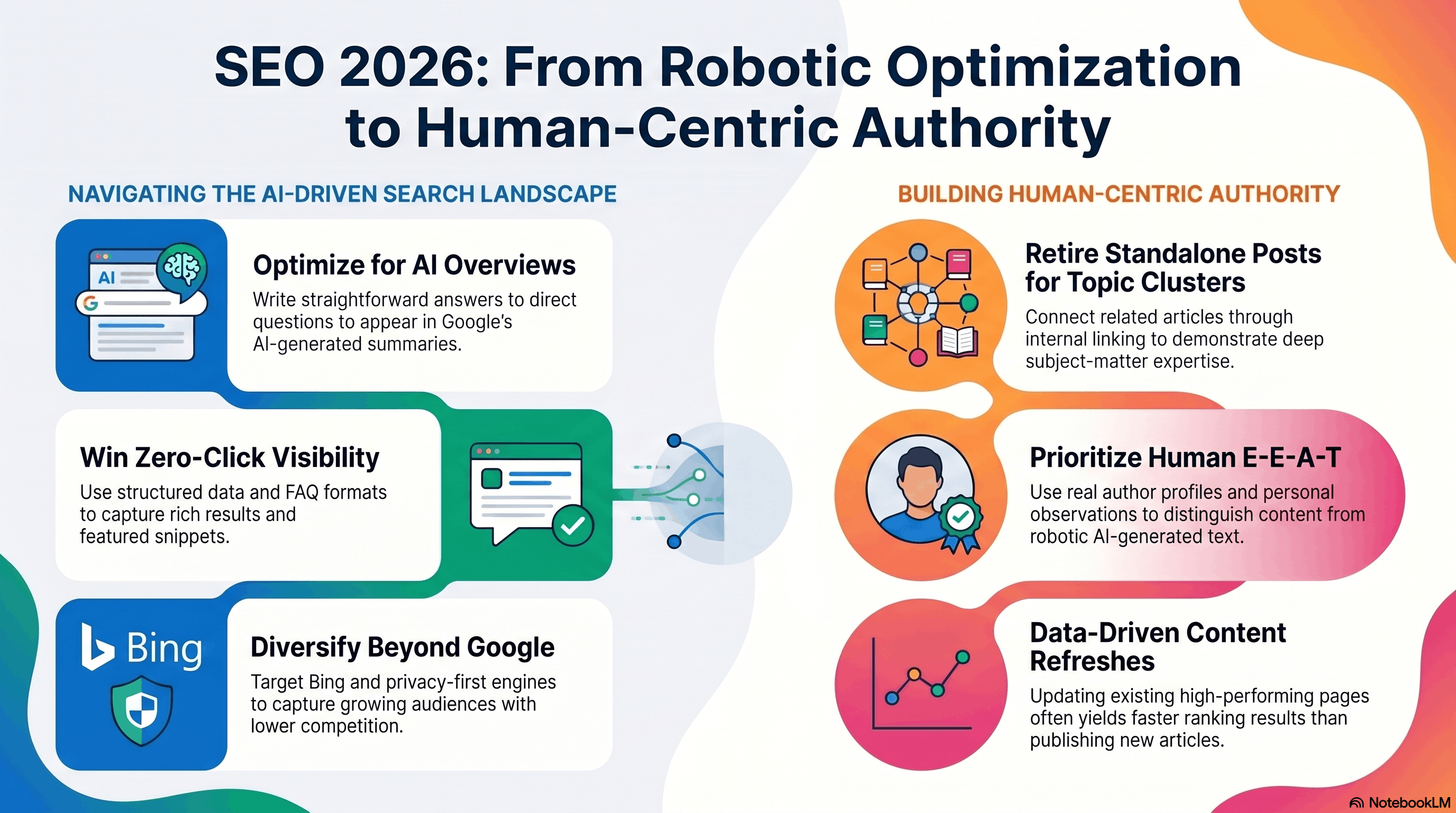
AI Summaries have compressed natural CTR, making AI citation technique essential for enterprise SEO programmes. Search behaviour has actually shifted from single-destination Google searches to multi-platform conversations.

Digital Marketing Growth Forecasts to Master in 2026
For organisations in B2B, SaaS, professional services, and other high-consideration categories, this indicates your content requires to carry out simultaneously across: GoogleGoogle AI OverviewsChatGPTPerplexityGeminiCopilotThis is what we call AI SEO, and it needs a fundamentally different approach to content structure, schema markup and authority building. Every month that an enterprise organisation delays adapting its SEO technique, rivals are developing the material authority and technical foundations that AI systems prefer to mention.
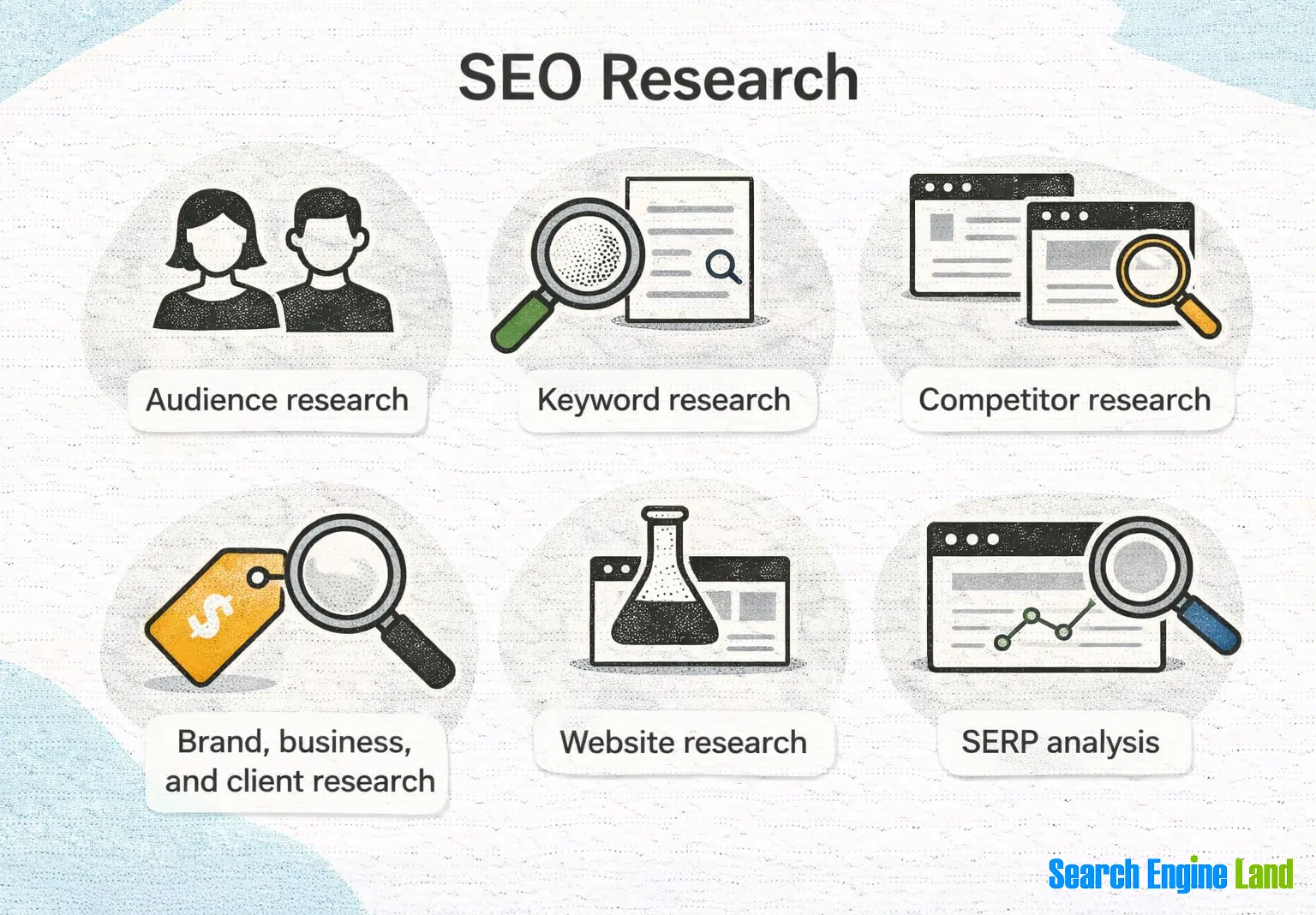
An efficient enterprise SEO program in 2026 requires collaborated execution throughout 6 core locations. Technical SEO forms the structure that everything else constructs on.
These platforms are typically dated in both design and codebase, with all technical and code changes needing to go through an internal advancement team. These groups are frequently overworked and handling completing priorities across business, which means SEO-related repairs can being in advancement queues for months. The outcome is significant technical debt that collects with time and becomes increasingly difficult and pricey to solve.
An extensive technical audit needs to be the starting point for any business SEO program, however teams need to prepare for longer application timelines than they would on a standard site. We cover the technical audit procedure in information in our guide to how AI search works. Material is where business SEO produces its compounding returns.